
The result is a higher blood alcohol content (BAC) and a higher risk of alcohol poisoning. When you drink, alcohol enters your bloodstream and affects your brain’s neurotransmitters. At lower blood alcohol concentrations (BAC), the side effects of alcohol are mild and lead to a tipsy feeling.
- It typically involves mild sensations such as increased happiness, relaxation, and heightened confidence.
- Alcohol consumption can have significant effects on various aspects of health.
- Your actions can prevent serious injury or death while you wait for medical professionals to arrive.
- Some people sweat more than usual, and their pupils might change in size, becoming either very small or large.
The Recovery Village Cherry Hill at Cooper
- If you or someone you know is showing these symptoms, it’s important to seek help from an alcohol addiction treatment program.
- Similarly, certain medications can interact with alcohol and intensify its effects or cause dangerous side effects.
- Severe intoxication, also known as being heavily drunk or inebriated, occurs when a person consumes a large amount of alcohol in a short period.
- In summary, being drunk is typically a short-term state resulting from excessive alcohol consumption.
When alcohol suppresses ADH, it causes your kidneys to release more water, which is why https://ecosoberhouse.com/ you pee more when you drink. Ethanol is a clear, colorless liquid that’s a byproduct of plant fermentation. This means it’s not produced on its own, but as a result of another process. Alcohol starts entering your bloodstream through small blood vessels in your mouth and tongue before traveling through your digestive system.
How Long Does Alcohol Detox Take?
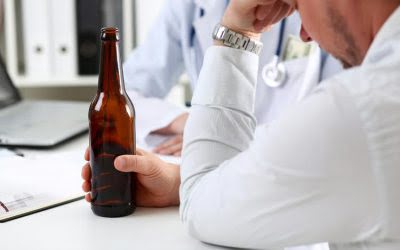
Some people may be at risk of alcohol overdose after just a few drinks, especially if they are young, small, or do not often drink. It is impossible to judge how drunk a person will be or feel based on alcohol consumption alone. For most people, a single drink — for example, amphetamine addiction treatment 1.5 ounces (oz) of hard liquor, 12 oz of beer, or 5 oz of wine — will elevate blood alcohol by 0.06 or 0.07 per drink.

Alcohol’s Effects on the Body
It’s a high-stakes situation, and knowing the right steps to take—and just as importantly, what not to do—can make all the difference. Never assume someone will just “sleep it off.” The amount of alcohol in their system can continue to rise even after they’ve stopped drinking and passed out, making the situation even more dangerous. Your goal is to keep them safe until they can receive proper medical care. The legal implications of alcohol intoxication encompass a variety of consequences depending on the context and jurisdiction. It typically involves mild sensations such as increased happiness, relaxation, and heightened confidence.

A 2016 study found that very intoxicated people underestimate how drunk they are, how extreme their drinking is, and how likely their drinking is to affect their health. Because alcohol changes the way the brain processes information, it also makes it difficult for people to make suitable decisions or assess their own behavior. For example, people who what does being drunk feel like are very drunk might underestimate how intoxicated they are. Our state-specific resource guides offer a comprehensive overview of drug and alcohol addiction treatment options available in your area. The more alcohol you drink, the stronger the effects of alcohol on the body.