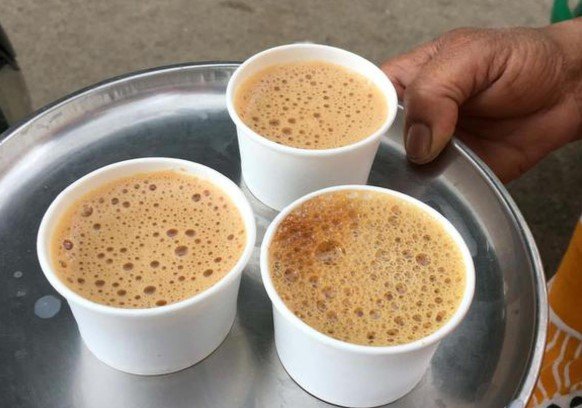
Hyderabad: It’s 9.00 am in the bustling streets of Charminar. You grab a steaming takeaway chai from your favorite Irani cafe, wrap your hands around the warm cup, take a sip of that spicy masala brew, and rush to your office in Hi-Tech City. To most of us in the City of Pearls, that cup feels like a harmless ritual – just a quick vessel for our daily caffeine or chai fix.
But if it’s a plastic cup or one with a sneaky plastic lining, it could be leaching thousands of tiny plastic fragments straight into your drink, turning your morning boost into a potential health risk. In India, where chai is more than a drink—it’s a cultural staple—we consume billions of single-use hot beverage cups every year.
According to recent market reports, the Indian paper cup market alone hit 23.2 billion units in 2024, with tea and coffee shops driving the bulk of demand. In Hyderabad, with its thriving cafe culture from roadside tea stalls to trendy spots like Cafe Niloufer, the numbers are staggering: estimates suggest the city discards millions of these cups annually, many laced with plastic linings or lids.
Globally, the figure balloons to 500 billion cups, but here in Telangana, the issue hits closer to home amid patchy enforcement of plastic bans. New research I coauthored, published in the Journal of Hazardous Materials: Plastics, dives into how these cups react when heated.
The verdict? Heat is the big culprit behind microplastic release, and the type of cup you choose could be poisoning your daily ritual more than you realize—especially in a hot climate like Hyderabad’s, where beverages are often served piping hot.What Are Microplastics, and Why Should Hyderabadis Care?Microplastics are those insidious plastic bits, from a dust speck (1 micrometre) to sesame seed size (5 millimetres).
They form when bigger plastics degrade or flake off during everyday use, infiltrating our environment, food chains, and yes, our bodies. In India, where plastic pollution is a massive crisis—clogging drains during monsoons and choking the Musi River—microplastics add an invisible layer of danger. Studies show they’re in our bottled water, seafood from the Bay of Bengal, and now, alarmingly, in our chai and coffee.
We lack definitive data on how much lingers in human bodies due to contamination risks in research, but Indian scientists are raising alarms: prolonged exposure might link to inflammation, hormone disruption, and even cancer risks. With Hyderabad’s growing urban population and fast-paced lifestyle, reliance on takeaway cups is skyrocketing, making this a local health ticking time bomb.
The Heat Factor: Why Your Boiling Chai is WorseOur team conducted a meta-analysis of 30 global studies, zeroing in on plastics like polyethylene and polypropylene—common in Indian disposable cups.
Temperature emerged as the top trigger: hotter liquids mean more microplastics leaching out, from hundreds to millions per litre. In a real-world test, we examined 400 cups similar to those used in Brisbane, but the findings resonate here. We simulated iced coffee at 5°C and hot chai at 60°C (a typical serving temp in Hyderabad stalls). Plastic-lined paper cups released fewer particles than full-plastic ones, but heat amplified the problem by 33% in all-plastic versions.
Imagine this: sipping 300ml of chai daily from a polyethylene cup could mean ingesting over 363,000 microplastic particles yearly—enough to worry any health-conscious Hyderabadi.Why heat? High-res imaging revealed rougher surfaces on plastic cups, like microscopic “peaks and valleys” that fracture under thermal stress. In India’s sweltering summers, where cups sit under the sun at street vendors, this release could be even higher.
Local studies from IIT Hyderabad echo this, warning of microplastics in urban water sources, potentially compounding the issue.The Indian Angle: Bans on Paper, Plastics in PracticeIndia banned certain single-use plastics nationwide in 2022, including straws, cutlery, and thin bags, aiming for a plastic-free future by 2025. In Telangana, notifications prohibit manufacturing and sale of items under 120 microns, with Hyderabad’s core zones pushing for a total ban by 2025.
Yet, enforcement lags: a 2025 report from Deccan Chronicle highlights how single-use plastics still boom in Hyderabad markets, from Abids to Begum Bazaar, due to loopholes, weak monitoring, and cheap imports.Hyderabad’s municipal corporation has raided vendors, but tea stalls and cafes often skirt rules with “biodegradable” claims that don’t hold up. Amid this, microplastic awareness is low—unlike Melbourne’s eco-push, Hyderabad’s fight is tied to broader issues like Swachh Bharat campaigns and river cleanups.
Activists from groups like the Hyderabad Environmental Society call for stricter checks, noting how plastic waste exacerbates flooding in areas like Banjara Hills. Smart Choices for a Safer Sip in HyderabadNo need to ditch your chai habit—just tweak it. Opt for reusable steel tumblers or glass kullads, staples in traditional Indian culture and microplastic-free.
Cafes like Heart Cup Coffee in Gachibowli are leading with “bring your own cup” discounts.If disposable is unavoidable, choose plastic-lined paper over pure plastic—they shed less. And here’s a pro tip for Hyderabad’s heat: Ask your chaiwala to cool the brew slightly before pouring, reducing stress on the lining. Support local initiatives like Telangana’s plastic-free drives, and push for alternatives like bagasse cups from sugarcane waste, abundant in India’s farms. By rethinking our cups, we can protect our health and Hyderabad’s heritage—from the Hussain Sagar to our daily Irani chai. Time to sip smarter, Nizams!
#MicroplasticsAlert #HyderabadChaiDanger #PlasticBanIndia #EcoHyderabad #SayNoToPlasticCups #HealthHazardInYourCup #SustainableSips #TelanganaGreen #ChaiLoversUnite #FightPlasticPollution